

Sleep Better Tonight: 7 Vegetarian Foods That Promote Rest
Welcome back to healthyfynow, where we believe a vibrant life begins with a solid foundation. And let’s be real—nothing contributes to that foundation more than better sleep. Do you struggle to fall asleep? Are you tossing and turning, feeling the familiar dread of a groggy day ahead? If you’re searching for natural ways to achieve better sleep, the solution might not be a magic pill or an expensive gadget. It could be waiting for you in your kitchen.
The truth is, what you eat can have a profound impact on your body’s ability to wind down and get the quality rest it craves. Certain foods that help you sleep are packed with nutrients that act as natural sleep aids, calming your nervous system and preparing you for a journey to deep, restorative rest. We’ve scoured the latest research and are ready to unveil seven superfoods that will help you get better sleep and transform your nights. Get ready to nourish your body and finally wake up feeling refreshed.
1. The Mighty Almond: A Key to Better Sleep
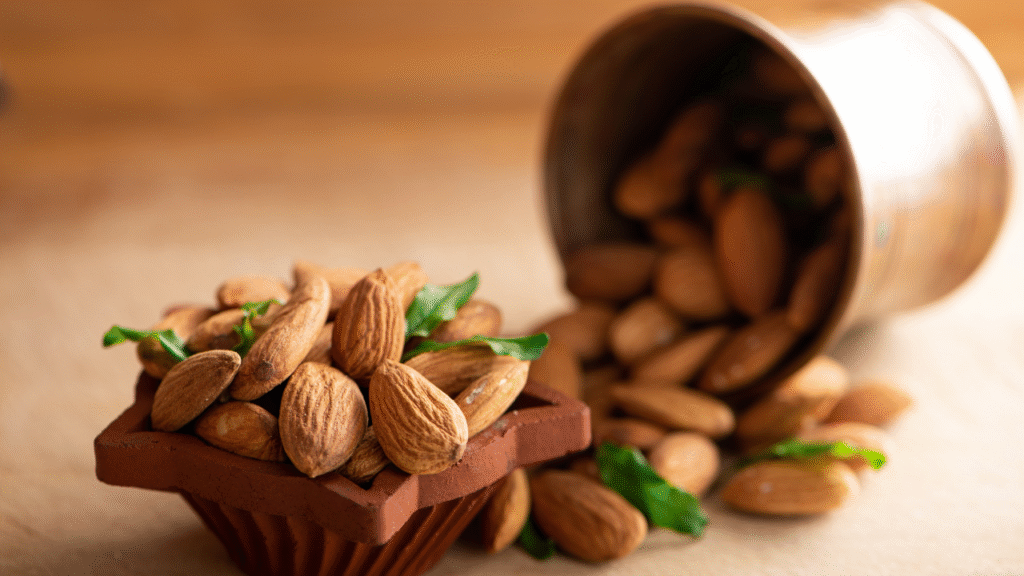
When you think of a power-packed snack, almonds probably come to mind. But did you know they’re also a secret weapon for achieving better sleep? It turns out, this crunchy little nut is a nutritional triple threat. Almonds are rich in magnesium, a mineral often called “nature’s tranquilizer,” and they’re also a good source of melatonin, the hormone that regulates your sleep-wake cycle. They even contain protein, which can help stabilize your blood sugar levels throughout the night, preventing those sudden drops that can wake you up.
A handful of almonds (about 1 oz) provides 76 mg of magnesium, which relaxes muscles and calms the nervous system by activating GABA receptors. Combined with naturally occurring melatonin, almonds help signal the body for sleep. Their low glycemic index also prevents blood sugar spikes, supporting restful sleep.
While more human studies are needed, a compelling pilot study published in the Journal of Natural Medicines in 2016 provided intriguing evidence. Researchers found that rats fed almond extract slept longer and more deeply than a control group. The authors suggested that melatonin and other phytonutrients in almonds were responsible for the increased sleep time and improved quality. This early animal research offers a promising glimpse into almonds’ potential as a sleep aid, pointing to the “whole package” of nutrients rather than a single compound.
Reference: Abdollahnejad F, Mosaddegh M, Kamalinejad M, Mirnajafi-Zadeh J, Najafi F, Faizi M. Investigation of sedative and hypnotic effects of Amygdalus communis L. extract: behavioral assessments and EEG studies on rat. J Nat Med. 2016 Apr;70(2):190-197. doi:10.1007/s11418-015-0958-9
2. The Surprising Kiwi: For a Night of Better Sleep
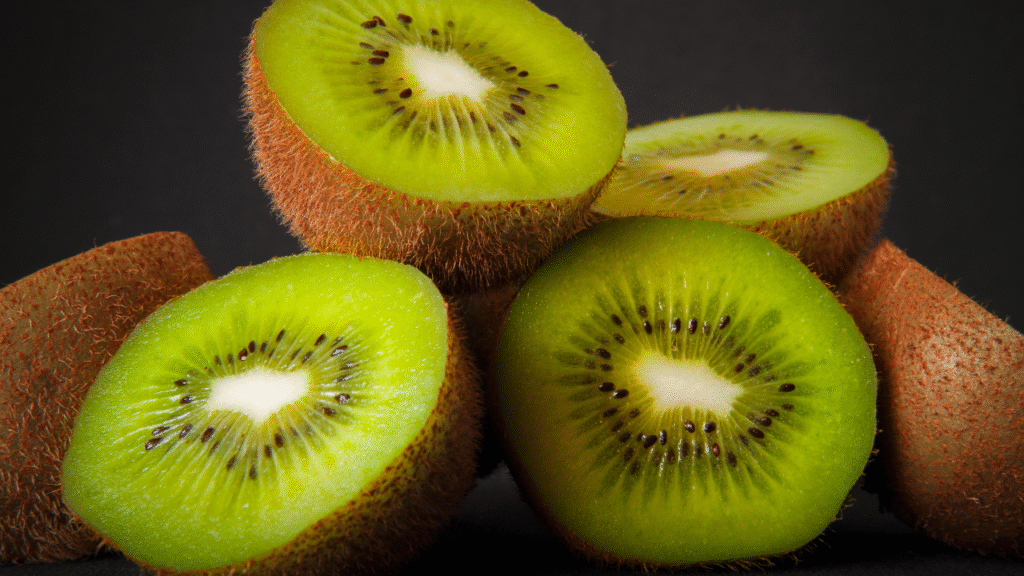
Often celebrated for its vibrant green color and tangy taste, the kiwi might be the last thing you’d consider a food for better sleep. But this little fuzzy fruit packs a big punch when it comes to helping you drift off. It’s an exceptional source of serotonin and antioxidants, both of which are key players in your body’s rest and repair cycles. The high Vitamin C content, a potent antioxidant, helps to reduce oxidative stress, which has been linked to sleep disturbances.
Kiwis are rich in serotonin, a precursor to melatonin that supports restful sleep. They’re also packed with antioxidants and Vitamin E, protecting cells and promoting recovery. Light and nutrient-dense, a medium kiwi in the evening helps prepare the body for better sleep without feeling heavy.
A groundbreaking clinical study from Taipei Medical University, Taiwan, has provided strong evidence for the kiwi’s sleep-enhancing benefits. In the study, 24 adults with self-reported sleep problems ate two kiwis one hour before bedtime every night for four weeks. The results were remarkable: participants fell asleep 35.4% faster, reduced their waking time after sleep onset by 28.9%, and increased their total sleep duration by 13.4%. These findings suggest that the kiwi’s rich serotonin and antioxidant content directly improve sleep quality and efficiency. This research highlights how a simple dietary change—adding kiwis to the evening routine—can yield measurable improvements in sleep without medication.
Reference: Lin HH, Tsai PS, Fang SC, Liu JF. Effect of kiwifruit consumption on sleep quality in adults with sleep problems. Asia Pac J Clin Nutr. 2011;20(2):169-174. PMID: 21669584
3. The Soothing Oat: A Comfort Food for Better Sleep
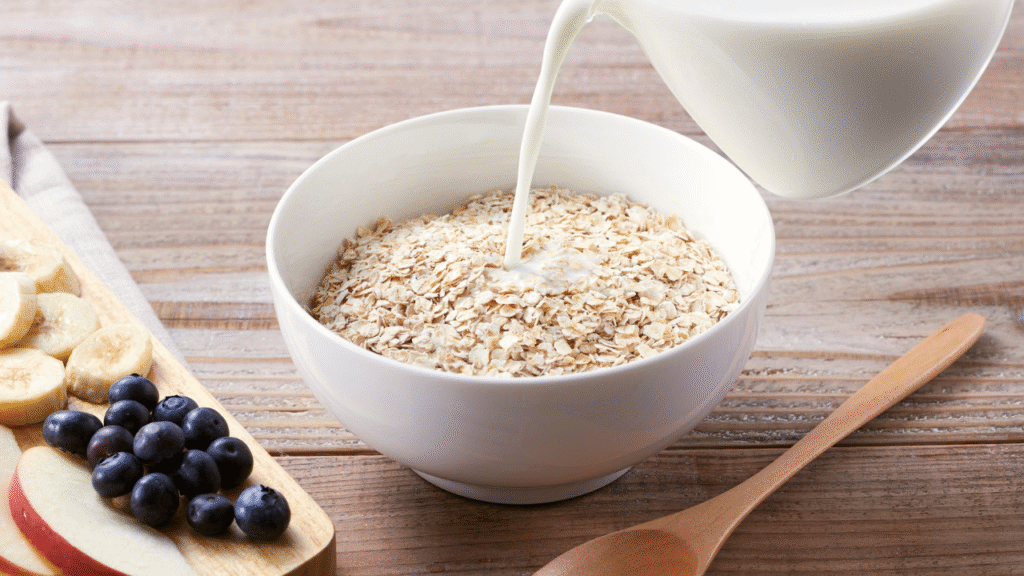
A warm bowl of oatmeal is often seen as a breakfast staple, but this humble whole grain can also be a powerful tool for your nightly wind-down routine. It’s a comfort food that delivers real, science-backed benefits for better sleep. Oats are a fantastic source of nutrients that help relax your body and stabilize your energy levels for a restful night.
Oats are rich in magnesium for muscle relaxation and contain tryptophan, which converts to serotonin and melatonin. Their complex carbs ensure a steady blood sugar rise, helping tryptophan reach the brain more efficiently and preventing nighttime energy crashes. Together, these benefits make oats an ideal bedtime snack for better sleep.
Research shows that whole grains like oats are scientifically linked to better sleep quality. According to the Sleep Foundation, oats are rich in both tryptophan and magnesium—nutrients essential for regulating sleep cycles. Even more compelling, the butyric acid in whole grains supports GABA production, the calming neurotransmitter that soothes the nervous system. Altogether, this nutrient-packed profile and the presence of complex carbs make oats a smart, science-backed choice for a restful pre-bedtime snack (Sleep Foundation)
Reference : https://www.sleepfoundation.org/nutrition/food-and-drink-promote-good-nights-sleep
4. The Brainy Walnut: Your Snack for Better Sleep
The walnut, with its brain-like appearance, is famous for its cognitive benefits. But its true magic might be its ability to help you get some much-needed shut-eye. Walnuts are one of the best plant-based sources of melatonin, a hormone that your body naturally produces to control your sleep-wake cycle. They also provide a generous dose of tryptophan, an amino acid that plays a vital role in the production of both serotonin and melatonin.
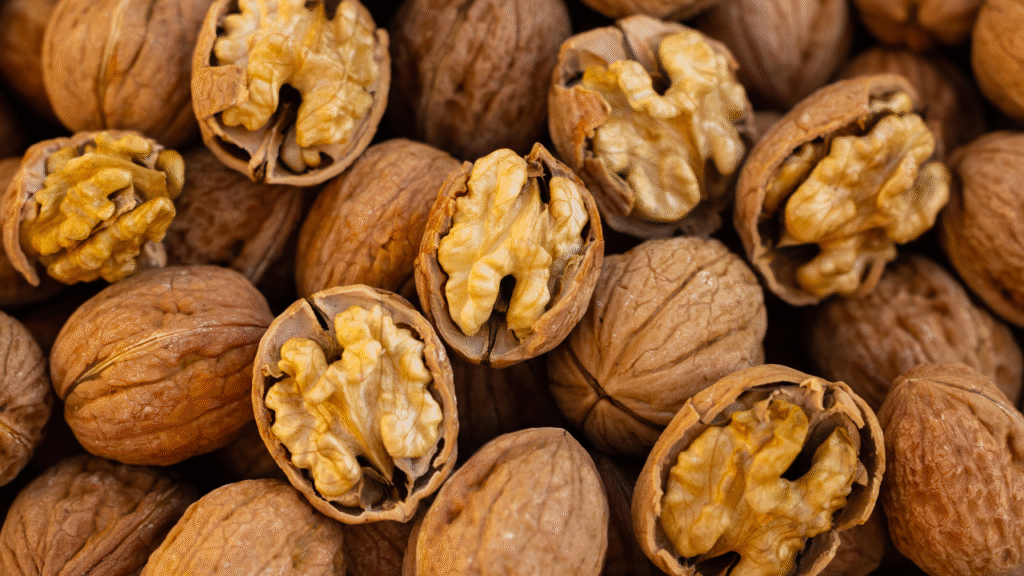
Walnuts are nature’s sleep snack—rich in melatonin and tryptophan, they help your body relax and drift into restful sleep without spiking blood sugar. These nutrients signal your brain it’s bedtime while keeping you full. A handful at night is a simple, natural way to support better rest.
A study from the University of Texas Health Science Center has shown that walnuts contain measurable levels of melatonin, which the body can absorb and utilize. Conducted by Dr. Russell Reiter, a leading melatonin researcher, the study emphasized that while the exact effective dose is still under investigation, walnuts offer a unique “package deal” of melatonin, Omega-3 fatty acids, and other compounds that collectively support health and sleep quality.
Reference: Reiter RJ, Manchester LC, Tan DX. Melatonin in walnuts: Influence on levels of melatonin and total antioxidant capacity of blood. Nutrition. 2005;21(9):920-924. PMID: 16125332
5. The Calming Chamomile Tea: A Ritual for Better Sleep
Chamomile tea is a classic bedtime beverage for a reason. Its soothing reputation is well-earned, but the science behind its calming effects is even more fascinating. The secret lies in a powerful antioxidant called apigenin, which gives the tea its tranquilizing properties. Unlike other teas, chamomile is caffeine-free, making it an ideal choice for your pre-sleep ritual to promote better sleep.

Chamomile contains apigenin, an antioxidant that binds to brain receptors linked with relaxation and sleep—similar to how mild sedatives work. This reduces anxiety, calms the mind, and makes it easier to drift off. Combined with the soothing ritual of sipping warm tea, chamomile is a simple yet powerful natural sleep aid.
A study published in the Journal of Advanced Nursing found that postpartum women who drank chamomile tea for two weeks reported significantly better sleep quality and fewer depressive symptoms compared to the control group. Another study on elderly participants showed that taking chamomile extract twice daily for one month improved sleep outcomes. Together, these findings confirm that chamomile’s benefits extend beyond placebo, with active compounds that positively influence sleep.
Reference: Chang SM, Chen CH. Effects of an intervention with drinking chamomile tea on sleep quality and depression in sleep disturbed postnatal women: a randomized controlled trial. J Adv Nurs. 2016;72(2):306-315. PMID: 26483209
6. The Tart Cherry: A Fruit for Better Sleep
Tart cherries, particularly the Montmorency variety, are a small but mighty source of natural sleep-promoting compounds. Unlike their sweeter cousins, tart cherries contain incredibly high levels of melatonin and a rich supply of antioxidants. Sipping on tart cherry juice has become a popular, research-backed strategy for those seeking a more natural way to improve their sleep.

Tart cherries are one of the richest natural sources of melatonin, the hormone that regulates sleep. Along with melatonin, they contain powerful antioxidants—proanthocyanidins and anthocyanins—that reduce inflammation and help preserve tryptophan, allowing it to convert more efficiently into serotonin and melatonin. This dual action makes tart cherries and their juice a potent, natural sleep aid.
A randomized controlled trial published in the American Journal of Therapeutics found that participants who drank 8 ounces of tart cherry juice twice daily for two weeks significantly increased their total sleep time and sleep efficiency. Similarly, a pilot study in the Journal of Medicinal Food showed that older adults with insomnia experienced reduced severity of symptoms after consuming the juice, with results comparable to, and sometimes exceeding, popular over-the-counter sleep aids. Together, these findings highlight tart cherry juice as a powerful, food-based alternative for improving sleep.
References:
Howatson G, et al. Effect of tart cherry juice (Prunus cerasus) on melatonin levels and sleep quality. Am J Ther. 2012;19(5):356-360. PMID: 21922049
Pigeon WR, Carr M, Gorman C, Perlis ML. Effects of a tart cherry juice beverage on the sleep of older adults with insomnia: a pilot study. J Med Food. 2010;13(3):579-583. PMID: 20521980
7. The Humble Passionflower Tea: Your Herbal Ally for Better Sleep
Passionflower tea is a lesser-known but equally effective herbal remedy for sleep. This beautiful, intricate flower has been used for centuries in traditional medicine to treat anxiety and insomnia. Modern research has begun to back up these traditional claims, identifying compounds within the plant that have a calming effect on the nervous system.

Passionflower is rich in flavonoids and alkaloids that calm the mind and promote rest. One compound, harmaline, interacts with the brain’s GABA system—similar to chamomile’s apigenin—helping to quiet racing thoughts and ease anxiety. Gentle and non-addictive, passionflower tea offers a soothing ritual with a mild, earthy flavor that signals it’s time to wind down.
A study published in Phytotherapy Research examined the effects of passionflower tea on sleep quality. Participants who drank a cup nightly for seven days reported significantly better sleep compared to those who consumed a placebo. They felt more refreshed in the morning and calmer before bed. Even in low doses, passionflower demonstrated meaningful benefits, underscoring the effectiveness of this natural sleep remedy.
Reference: Ngan A, Conduit R. A double-blind, placebo-controlled investigation of the effects of Passiflora incarnata (passionflower) herbal tea on subjective sleep quality. Phytother Res. 2011;25(8):1153-1159. PMID: 21496023
The Final Sip: A Journey to Better Sleep
As we’ve seen, the path to a better night’s sleep is paved not with pills, but with plates and mugs filled with nourishing foods. From the magnesium-rich crunch of an almond to the melatonin burst from a tart cherry, these seven foods are more than just snacks—they are powerful tools in your wellness arsenal.
Making these foods a part of your nightly routine is a small change that can lead to a monumental shift in your health and quality of life. Start by picking one or two that you love, and incorporate them into your evening. A handful of walnuts, a cup of chamomile tea, or a small bowl of kiwis can be the perfect final act of your day. Remember, consistency is key. By consciously nourishing your body with these sleep-promoting foods, you’re not just eating better; you’re actively investing in your rest, recovery, and overall happiness. So go ahead, get cozy, and eat your way to dreamland to get HealthyFyNow. Your future self will thank you for it!
FAQs
Q: How soon before bed should I eat these foods for the best effect?
A: For most of these foods, it’s best to consume them about 1 to 2 hours before you plan to go to sleep. This gives your body enough time to digest the food and absorb the beneficial nutrients, allowing them to start their work without causing any discomfort or indigestion that could keep you awake. Eating too close to bedtime can sometimes disrupt sleep, so timing is key. For teas, you can enjoy them a little closer to bedtime, as they are easier to digest.
Q: Can I combine these foods, or should I stick to just one at a time?
A: You can absolutely combine these foods for a powerful sleep-boosting effect! For example, a small bowl of Greek yogurt (which also contains tryptophan) topped with crushed almonds and a few tart cherries can be a delicious and effective pre-sleep snack. A smoothie made with kiwi and tart cherry juice is another great option. The synergistic effect of these nutrients working together can be even more beneficial. However, if you are just starting out, it can be a good idea to try one food at a time to see how your body responds and to identify which one works best for you.