
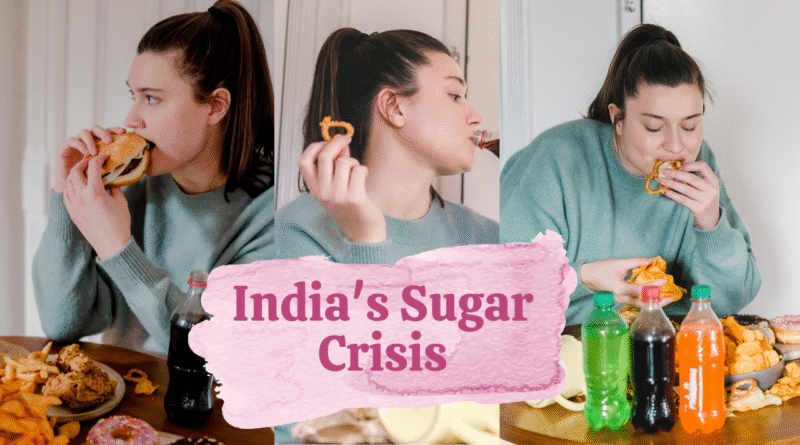
The Hidden Truth About India’s Sugar Consumption
How much sugar do you think you eat in a day? A spoonful in your morning tea? A slice of cake after dinner? For most of us, the answer is a lot more than we realize, and the biggest culprits aren’t the obvious culprits like desserts. They’re the seemingly healthy packaged foods lurking in our kitchen cabinets.
For a country grappling with a rising tide of lifestyle diseases, understanding our sugar consumption trends in India is more critical than ever. The facts about what we’re consuming in our Indian diet paint a startling picture of a quiet health crisis in India.
The WHO’s Wake-Up Call: A Global Benchmark
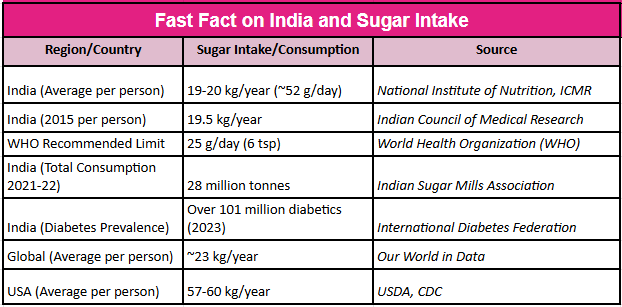
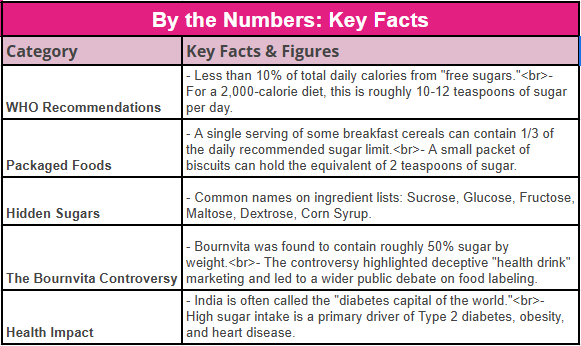
The World Health Organization (WHO) provides a clear and urgent recommendation for sugar consumption. According to its guidelines, an adult with a healthy body mass index should limit their intake of “free sugars” to less than 10% of their total energy intake. Ideally, for added health benefits, this should be further reduced to below 5%.
For the average Indian adult with a daily calorie intake of around 2,000, this translates to a maximum of 10 to 12 teaspoons of sugar per day. The reality is, many of us exceed this limit without even knowing it, simply by eating our daily meals.
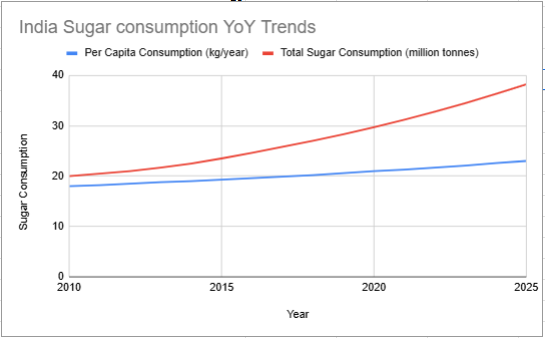
Here is an interesting Chart that shows the Year on year consumption of sugar from 2010 to 2025.
Note: all data has been taken from different sources over internet
The Packaged Food Paradox: A Study in Deception
India’s rapid urbanization has led to a major shift in dietary habits. Traditional, home-cooked meals are increasingly being replaced by convenient, processed, and packaged foods. The problem is, these items are loaded with hidden sugar, often masked by clever marketing.
A study conducted by the Centre for Science and Environment (CSE) exposed the high sugar and salt content in many popular processed foods in India. It revealed that products widely marketed as healthy, like breakfast cereals, biscuits, fruit juices, and even ketchup, are often laden with high amounts of sugar.
The study showed that a single serving of a popular breakfast cereal could contain more than a third of the WHO’s recommended daily sugar limit. A small biscuit packet can hold the equivalent of two teaspoons of sugar. This is where the bulk of our sugar intake comes from—not the desserts, but the items we buy for convenience.
The Bournvita Controversy: A Turning Point
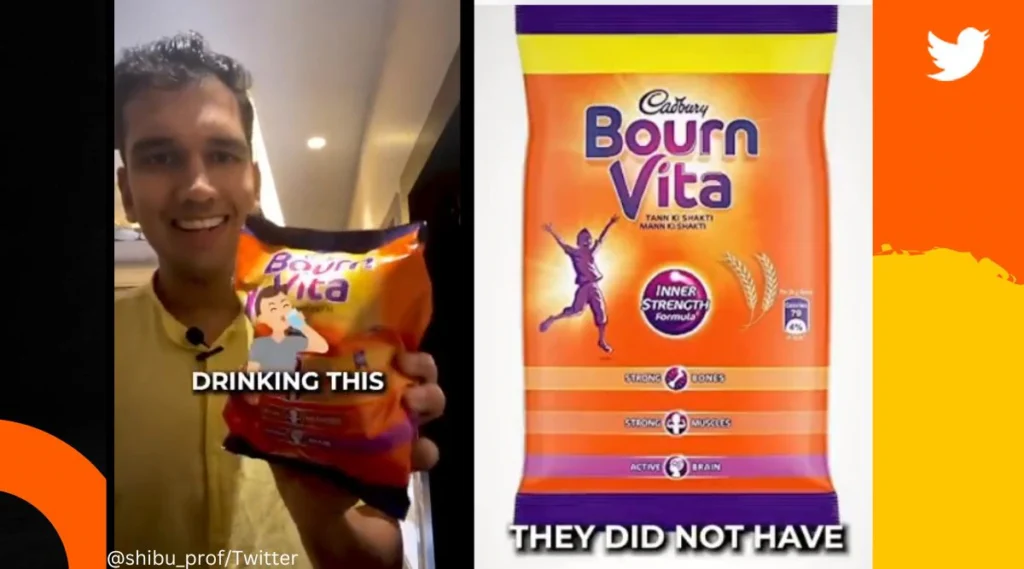
The debate around hidden sugar exploded into public consciousness with the controversy surrounding Bournvita, a popular malt-based health drink. For decades, it was marketed as a source of energy and nourishment for children. In 2023, a social media influencer released a video highlighting the product’s high sugar content. The video went viral and sparked a massive public outcry.
The core of the criticism was that the product contained around 50% sugar by weight, a fact that was not prominently displayed and went against the product’s “healthy” image. The controversy triggered a nationwide conversation about deceptive marketing and the need for food companies to be more transparent. It led to legal action and ultimately forced Cadbury, the manufacturer, to remove the “health drink” label from its packaging.
This incident served as a powerful wake-up call, making consumers question the very labels they had come to trust and highlighting the urgent need to read ingredient lists.
The Economic and Health Fallout
The consequences of this dietary shift are dire. India is often referred to as the “diabetes capital of the world,” with millions of people living with the disease. Obesity rates are also on the rise, even in younger populations. This is not just a health crisis but an economic one, placing a significant burden on families and the national healthcare system.
The facts are clear: a diet high in sugar is a primary driver of type 2 diabetes, heart disease, and a host of other chronic illnesses. By consuming excessive amounts of sugar, we are contributing to an epidemic that is preventable through informed choices.
What Can We Do?
The first step is awareness. The Bournvita controversy taught us that we can no longer take marketing claims at face value. Here are a few practical steps to take control of your sugar intake:
- Read Food Labels: Look beyond the front of the package. Check the ingredient list for hidden sugars (e.g., sucrose, glucose, maltose, corn syrup, dextrose, fructose).
- Prioritize Whole Foods: Opt for fresh fruits, vegetables, and unprocessed grains. These provide natural energy without the hidden sugar.
- Drink Smart: Choose water, unsweetened tea, or coffee over sugary juices, sodas, and sports drinks.
- Cook at Home: Preparing your own meals gives you complete control over the ingredients, allowing you to limit or avoid added sugars.
The fight against hidden sugar begins in our own kitchens. By making conscious choices and demanding transparency from the food industry, we can work towards a healthier, sweeter future—one that isn’t defined by a sugar-laden reality. Lets get HealtyFyNow
Frequently Asked Questions (FAQs)
Q: Is sugar from fruit as bad as added sugar? A: No. While both contain sugar, fruit also provides essential fiber, vitamins, and minerals. The fiber in whole fruit slows down sugar absorption, preventing rapid blood sugar spikes.
Q: Can I still eat my favorite sweets in moderation? A: Yes. The goal is not to eliminate sugar entirely but to be mindful of your overall intake. The WHO’s recommendations allow for a small amount of “free sugars.” The key is to be aware of what you’re eating and make informed choices.
Q: What are some non-sugar alternatives to look for in packaged foods? A: You can look for products that use natural, low-calorie sweeteners like Stevia or Monk Fruit. However, it’s always best to prioritize whole, unprocessed foods and use natural alternatives like dates or jaggery in moderation.
Q: What is the main cause of India’s “diabetes capital” title? A: The rise in lifestyle diseases in India is complex, but a major factor is the shift to a Western diet high in processed foods and sugary drinks, combined with increasingly sedentary lifestyles.
Pingback: Diabetes in India 2024: Why Awareness, Screening & Lifestyle Changes Are Crucial