
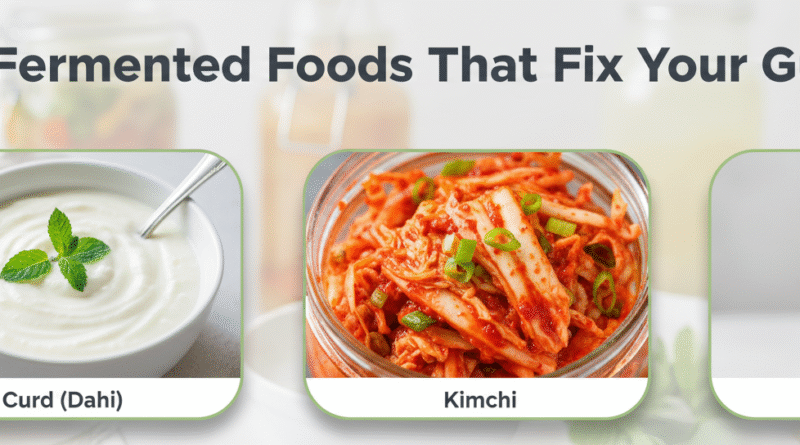
The Gut Health Revolution: Why These 3 Fermented Foods Are Your New Best Friends
Have you ever felt that nagging discomfort in your stomach—a feeling of heaviness, bloating, or just general sluggishness? You’re not alone. In our fast-paced lives, filled with processed foods and stress, our digestive systems often bear the brunt. But what if the secret to a happy, healthy gut isn’t in a magic pill, but in foods that have been around for centuries?
Welcome to the world of fermented foods, a culinary tradition that’s not just making a comeback but is transforming our approach to wellness. In simple terms, fermentation is a natural process where good bacteria and yeast break down food, creating a treasure trove of beneficial compounds. And these compounds, known as probiotics, are exactly what your gut needs to thrive.
Let’s dive into the fascinating world of the gut and explore three fermented foods that are leading this health revolution, complete with global examples and the facts you need to know.
Understanding the Gut Microbiome: A Tale of Trillions
Think of your gut as a bustling city and your gut microbiome as its diverse population of residents. This “city” is home to trillions of bacteria, both good and bad. When the good bacteria flourish, your gut city is in a state of harmony. This balance is crucial not just for digestion but for a host of other functions, from boosting your immune system to influencing your mood.
Fermented foods act like a constant supply of new, helpful residents for your gut city, helping it stay healthy and vibrant.
1. The Timeless Goodness of Curd (Dahi)
In India, curd, or dahi, is more than just a food; it’s a cultural staple. From raita to lassi, it’s a part of our daily diet, and for good reason. Curd is a simple yet potent source of probiotics, particularly strains like Lactobacillus that are essential for a healthy gut.
The Global Embrace: While we’ve enjoyed it for generations, the world is now catching on. In Western countries, yogurt, a close cousin of curd, is a multi-billion dollar industry. A study by the IMARC Group notes that the sales of probiotic products, including curd and yogurt, reached over $2.2 billion in India in 2024, and are projected to hit a staggering $10 billion by 2033 with a Compound Annual Growth Rate (CAGR) of 17.8% (1). This explosive growth shows that even in the modern era, people are turning to this ancient food for its proven health benefits.
Did you know? The Food Safety and Standards Authority of India (FSSAI) has published a book titled Healthy Gut, Healthy You – Traditional Recipes with Potential Probiotic Benefits, which highlights that probiotics have always been an integral part of Indian cuisine and Ayurvedic medicine.
Why It’s a Gut Superfood:
- Aids Digestion: The live bacteria in curd help break down food, easing digestion and reducing symptoms of bloating and indigestion.
- Boosts Calcium Absorption: The fermentation process makes the nutrients in milk, like calcium, more bioavailable, which is great for your bones.
- Improves Lactose Tolerance: For many who are lactose intolerant, the fermentation process pre-digests the lactose, making curd much easier to consume than regular milk.
2. Kimchi: The Spicy Korean Gut Booster
Move over, sauerkraut! Kimchi, a spicy fermented cabbage dish from Korea, has become a global sensation. It’s a fiery, flavorful side dish that has been embraced by chefs and health enthusiasts everywhere, including India.
The Global Embrace: Kimchi’s journey from a traditional Korean dish to a global trend is a testament to its powerful appeal. It’s a prime example of a vegetable-based fermented food that’s rich in gut-friendly bacteria. According to a study published on News-Medical.net, a clinical trial on overweight individuals found that kimchi consumption significantly reduced body fat and improved metabolic health indicators (2). It’s a case study in how a traditional fermented food can offer benefits far beyond just gut health.
Why It’s a Gut Superfood:
- Rich in Probiotics: Like yogurt, kimchi is teeming with beneficial bacteria that populate the gut and help keep the bad guys in check.
- Fiber-Packed: Made primarily from cabbage, kimchi is an excellent source of dietary fiber, which acts as a prebiotic—a food source for the good bacteria in your gut.
- Immunity Booster: The combination of probiotics and vitamins A and C in kimchi gives your immune system a powerful kick.
3. Kombucha: The Fizzy Probiotic Tea
If you’ve walked into any modern grocery store or cafe recently, you’ve likely seen bottles of kombucha. This fizzy, slightly tangy fermented tea is a sensation, particularly among the younger, health-conscious generation. It’s made by fermenting sweetened tea with a SCOBY (a symbiotic culture of bacteria and yeast) that transforms the sugar into probiotics and other health-boosting compounds.
The Global Embrace: Kombucha’s popularity has exploded in recent years. The global kombucha market was valued at an estimated $4.2 billion in 2024 and is projected to reach over $13 billion by 2033, showing a Compound Annual Growth Rate (CAGR) of 13.7% (3). This growth is driven by consumers who are looking for healthier alternatives to sugary sodas and artificial drinks. The Asia-Pacific region, including India, is a key growth area for kombucha, as more people seek out its functional benefits.
Why It’s a Gut Superfood:
- Probiotic Power: Kombucha is rich in various strains of probiotics, which are believed to aid digestion and balance the gut microbiome.
- Antioxidant-Rich: Made from green or black tea, kombucha is packed with antioxidants that help fight inflammation in the body.
- Detoxifying Properties: Many kombucha enthusiasts believe the drink aids the body’s natural detoxification processes, leaving them feeling more energized and revitalized.
The Broader Global Movement: A Return to Tradition
The trend isn’t limited to just these three foods. Around the world, different cultures are embracing their own fermented food traditions. From Japan’s miso and natto to Europe’s sauerkraut and kefir, the movement is a global return to traditional wisdom. Fermentation is a time-tested method of food preservation that our ancestors used to stay healthy long before modern medicine.
This chart illustrates the staggering growth of the global fermented foods market, a clear sign that this is a trend with serious momentum.
| Heads | 2024 Market Value | Projected Market Value (2034) |
| Global Fermented Foods Market | ~$247 Billion (4) | ~$394 Billion (4) |
| Global Kombucha Market | ~$4.2 Billion (3) | ~$13.4 Billion (3) |
| Fermented Dairy Products | ~$316 Billion (5) | ~$434 Billion (5) |
What this data tells us is that this isn’t just a fleeting fad; it’s a fundamental shift in how we think about food and health. The market is driven by an increasing awareness of gut health, a desire for natural and organic products, and a renewed appreciation for traditional, wholesome foods.
A Note from HealthfyNow: Your Health is Your Wealth
The diabetes epidemic in India is a serious reality, but it is not a battle you have to fight alone. At HealthfyNow, we believe that a healthy life begins with informed choices and immediate action. Don’t wait for a diagnosis to change your lifestyle. The time to act is not tomorrow, but now.
- Be Informed: Read, research, and understand the foods you eat.
- Make Conscious Choices: Incorporate fermented foods and other healthy habits into your daily routine.
- Take Action: Start your wellness journey today.
Stay informed, stay vigilant, and with HealthfyNow, let’s change your routine—not tomorrow, but now.
Sources & Citations:
- IMARC Group. (2024). India Fermented Food and Beverage Market Size & Share 2033.
- News-Medical.net. (2024). Fermented kimchi may help combat obesity by regulating gut microbiota.
- Grand View Research. (2024). Global Kombucha Market Size & Outlook, 2024-2033.
- Precedence Research. (2024). Fermented Foods Market Size to Hit USD 394.91 Billion by 2034.
- Market Research Future. (2024). Fermented Milk Products Market, Size, Share Trends, Global Analysis, 2032.