
Hair Fall Foods: What Helps and What Hurts – A HealthyFyNow Nutritional Expert’s Guide (Vegetarian-Friendly)
Hair fall is a concern that transcends age, gender, and geography. It’s not merely a cosmetic issue but often a silent indicator of our internal health, particularly our nutritional status. At HealthyFyNow, we understand that true wellness begins from within, and when it comes to healthy hair, the saying “you are what you eat” couldn’t be more accurate. As a nutritional expert, I’m here to guide you through the intricate relationship between your diet and hair health, presenting a comparative study of vegetarian foods that promote robust growth versus those that can exacerbate hair loss.
Hair, primarily composed of a protein called keratin, requires a steady supply of specific nutrients to grow strong, remain shiny, and prevent premature shedding. When these essential building blocks are missing or when our bodies are overburdened by inflammatory compounds, our hair follicles often bear the brunt, leading to increased hair fall.
The Science Behind Hair Fall and Nutrition
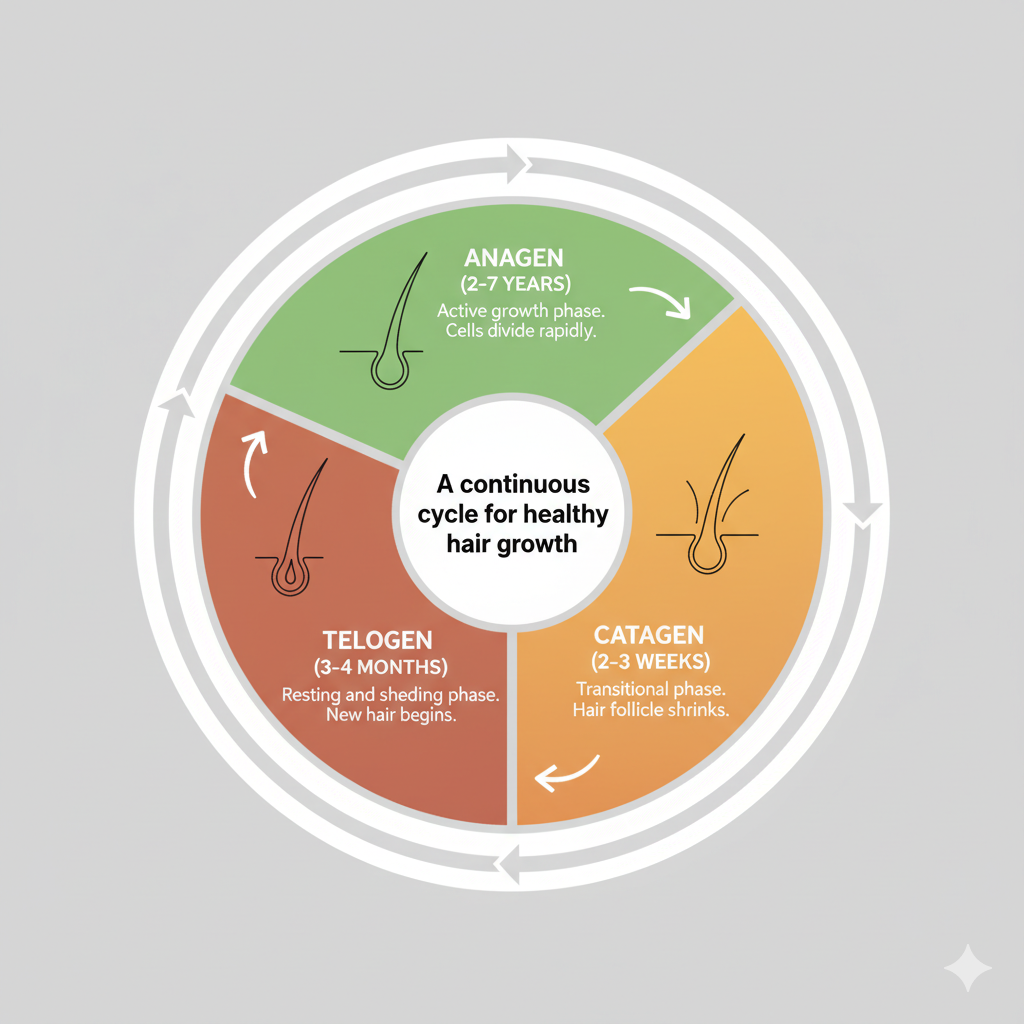
Before diving into specific foods, it’s crucial to understand the biological processes at play. Hair growth occurs in cycles: anagen (growth), catagen (transition), and telogen (resting/shedding). Nutritional deficiencies can prematurely push hair follicles into the catagen or telogen phases, leading to excessive shedding. Key factors include:
- Protein Deficiency: Keratin production falters without adequate protein.
- Micronutrient Deficiencies: Iron, zinc, biotin, and vitamins A, C, D, and E are critical for various stages of the hair growth cycle, from cell proliferation to antioxidant protection.
- Inflammation & Oxidative Stress: Chronic inflammation and free radical damage can harm hair follicles, impairing growth.
- Hormonal Imbalance: Certain foods can influence hormone levels, which in turn impact hair health.
What Helps: The Hair-Nourishing Vegetarian Powerhouses
A diet rich in whole, unprocessed vegetarian foods provides the perfect ecosystem for healthy hair. Here’s a detailed look at the nutritional heroes:
1. Protein-Rich Foods (The Building Blocks)
Studies in the Journal of Clinical and Aesthetic Dermatology (2019) emphasize that adequate protein intake is fundamental for maintaining hair structure and preventing telogen effluvium (a common cause of hair loss).
- Why it helps: Hair is approximately 90% protein (keratin). A deficiency can lead to weak, brittle hair, slower growth, and increased shedding.

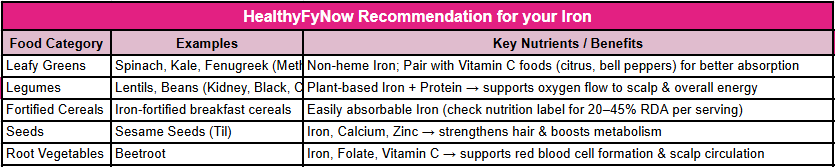
2. Iron-Rich Foods (Oxygen Carriers)
A study published in the Korean Medical Science journal (2013) found a strong correlation between ferritin (stored iron) levels and hair loss severity.
- Why it helps: Iron is vital for red blood cells to carry oxygen and nutrients efficiently to hair follicles. Iron deficiency (anemia) is a significant and prevalent cause of hair loss, particularly among women.
A Simple yet impactful recipe recommendation by HealthyFyNow can be found here , a delicious Chana Salad
3. Omega-3 Fatty Acids (The Anti-Inflammatory Agents)
A 2015 study in the Journal of Cosmetic Dermatology demonstrated that a supplement containing Omega-3, Omega-6, and antioxidants significantly improved hair density and reduced hair loss in women.
- Why it helps: These essential fats nourish hair follicles, reduce inflammation in the scalp, and contribute to overall hair thickness and shine. A healthy scalp environment is crucial for optimal hair growth.

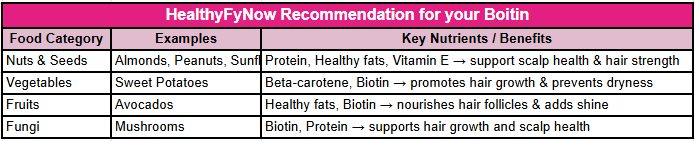
4. Biotin (Vitamin B7) (The Keratin Contributor)
While true biotin deficiency is rare, supplementation is often explored for hair health, though evidence for significant improvement in non-deficient individuals is debated. However, it remains essential for foundational hair health. (Source: Journal of Dermatological Treatment, 2017)- Why it helps: Biotin is a coenzyme crucial for the metabolism of fats, carbohydrates, and proteins, all of which are vital for healthy hair, skin, and nails. It plays a role in the production of keratin, the primary protein in hair.
5. Vitamins A, C, D, and E (The Antioxidant & Regulatory Crew)
- Vitamin A: Essential for cell growth, including hair cells, and for producing sebum, which moisturizes the scalp.
- Sources: Sweet potatoes, carrots, spinach, kale, pumpkin.
- Vitamin C: A powerful antioxidant that fights free radicals, which can damage hair follicles. It’s also crucial for collagen production (a structural protein) and aids in iron absorption.
- Sources: Citrus fruits (oranges, lemons), bell peppers, strawberries, kiwi, broccoli.
- Vitamin D: Linked to hair follicle cycling and stimulation. Deficiency is often associated with hair loss conditions.
- Sources: Sunlight exposure, fortified plant-based milks, fortified cereals, mushrooms (especially UV-exposed ones). (A Dermatology and Therapy review in 2018 suggested Vitamin D deficiency is common in hair loss patients).
- Vitamin E: A potent antioxidant that helps protect hair follicles from oxidative stress and improves circulation to the scalp.
- Sources: Avocados, sunflower seeds, almonds, spinach.
- Sources: Avocados, sunflower seeds, almonds, spinach.
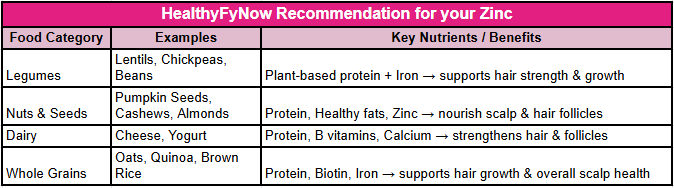
6. Zinc (The Cell Repairer)
Studies indicate that zinc deficiency is correlated with various forms of alopecia. (Source: Dermatology Research and Practice, 2013)- Why it helps: Zinc plays a vital role in hair tissue growth and repair. It helps keep the oil glands around the follicles working properly. Deficiency can lead to hair loss and slow growth.
What Hurts: The Hair-Damaging Culprits (Vegetarian Focus)
Just as certain foods can boost hair health, others can undermine it. Minimizing these in your vegetarian diet can significantly reduce hair fall.
1. High Sugar and Refined Carbohydrates (The Inflammatory Triggers)
Elevated insulin resistance has been linked to androgenetic alopecia (pattern baldness) in some studies. (Source: Journal of the American Academy of Dermatology, 2013)
- Why it hurts: High sugar intake leads to rapid insulin spikes, which can increase androgen levels, potentially shrinking hair follicles and accelerating hair loss. It also promotes inflammation and oxidative stress, both detrimental to scalp health.
- HealthyFyNow Recommendation:
- Minimize/Avoid: Candies, pastries, sodas, white bread, highly processed snacks, sugary breakfast cereals, excessive amounts of fruit juices (opt for whole fruit).
- Opt for: Whole grains like oats, brown rice, quinoa, millets, and fiber-rich fruits.
2. Highly Processed Foods & Trans Fats (The Nutrient Blockers & Inflammatory Boosters)
- Why it hurts: These foods are typically low in essential nutrients and high in unhealthy fats, sodium, and artificial ingredients. They contribute to systemic inflammation and can displace nutrient-dense foods in your diet, leading to deficiencies that impact hair. Trans fats can also impair circulation to the scalp.
- HealthyFyNow Recommendation:
- Minimize/Avoid: Deep-fried vegetarian snacks, packaged baked goods, excessive consumption of ready-to-eat meals, margarine with trans fats.
- Opt for: Freshly prepared meals, healthy fats from nuts, seeds, and avocados.
3. Excessive Caffeine and Alcohol (The Dehydrators & Nutrient Depleters)
- Why it hurts: While moderate intake is generally fine, excessive caffeine can interfere with nutrient absorption (especially iron), and both can lead to dehydration, affecting overall cellular health, including hair follicles. Alcohol can also deplete essential B vitamins and zinc.
- HealthyFyNow Recommendation:
- Moderate: Limit caffeine intake to 1-2 cups per day.
- Avoid/Limit: Excessive alcohol consumption.
- Stay Hydrated: Drink plenty of water throughout the day.
Concluding Thoughts from HealthyFyNow
At HealthyFyNow, we advocate for a holistic approach to wellness. Your hair, much like your skin and nails, is a visible manifestation of your internal health. By consciously choosing a vegetarian diet rich in diverse whole foods – prioritizing proteins, iron, healthy fats, and a spectrum of vitamins and minerals – you are not just nourishing your hair, but your entire body. Conversely, by reducing inflammatory and nutrient-depleting processed foods, you create an optimal environment for robust hair growth and significantly mitigate hair fall.
Remember, consistency is key. Nutritional changes take time to reflect in your hair’s health, often several months, as new hair cycles begin. Be patient, be diligent, and let your plate be your most powerful tool in the journey towards luxuriant, healthy hair. If hair fall persists despite dietary changes, always consult with a healthcare professional or a registered dietitian to rule out underlying medical conditions.