
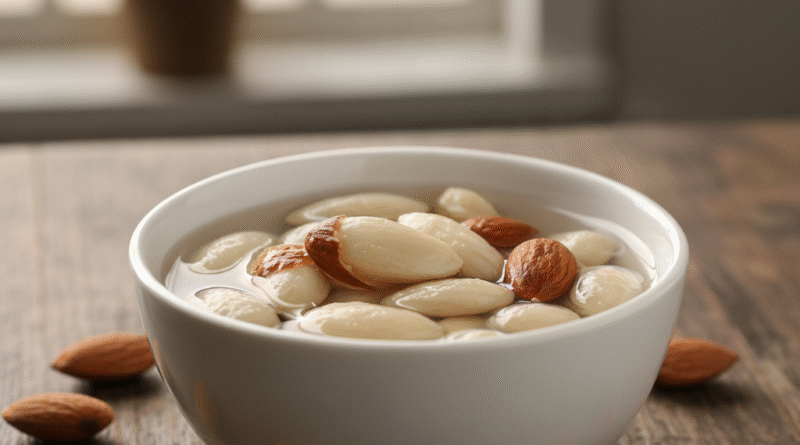
Why You Should Eat Soaked Almonds: A Deep Dive into an Ancient Tradition
Eating almonds is a well-known health practice, but the question of whether to eat them raw or soaked has been a subject of debate. While both forms are nutritious, soaking almonds is a traditional practice with historical roots and potential benefits that are worth exploring. This simple act of preparation transforms the nut, affecting everything from its texture and taste to its digestibility and nutrient absorption.
A History Rooted in Indian Tradition and Ayurveda
The practice of soaking almonds is deeply ingrained in Indian traditions and the ancient science of Ayurveda. In many Indian households, soaked almonds are a staple of the morning routine, particularly for children and the elderly. This tradition is based on the belief that almonds are “heating” or difficult to digest in their raw form and that soaking them balances their properties, making them gentler on the stomach.
According to Ayurvedic principles, almonds are considered a rejuvenating food (rasayana) that nourishes the deepest body tissues and supports mental clarity and vitality. Ayurveda recommends soaking and peeling almonds to balance the three doshas (Vata, Pitta, and Kapha), particularly to provide grounding warmth for Vata types who often struggle with dryness and coldness. The practice is also linked to improving brain function and is a traditional remedy for enhancing memory.
How Soaking Helps: The Science Behind the Tradition
Soaking almonds for 8-12 hours triggers several changes that contribute to their perceived benefits:
- Softens Texture and Improves Digestibility: Raw almonds have a tough outer skin and a hard texture, which can make them difficult to chew and digest. Soaking softens the nuts, making them gentler on the digestive system and reducing the risk of bloating or discomfort. For people with digestive sensitivities, this makes almonds a more palatable and beneficial snack.
- Reduces Antinutrients: Almonds contain compounds known as antinutrients, such as phytic acid and tannins, primarily located in the skin. These substances can bind to minerals like calcium, iron, and zinc, potentially hindering their absorption. Soaking is believed to help reduce these antinutrients, thereby improving the bioavailability of essential minerals. However, some studies show this reduction to be minimal, with one study noting a decrease of less than 5% in phytic acid after a 24-hour soak.
- Enhanced Nutrient Absorption: By softening the nut and reducing antinutrients, soaking may make it easier for the body to absorb nutrients. While research is mixed, some studies suggest that the process may particularly aid the absorption of healthy fats, which are key components of almonds. Conversely, some research indicates that removing the skin, which is often done after soaking, can lead to a loss of beneficial antioxidants like polyphenols.
Nutritional Value: Soaked vs. Raw Almonds
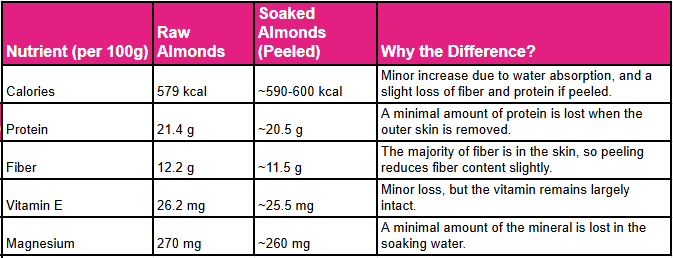
Note: The differences are minimal, but the key benefit lies in the improved absorption and digestibility, which is not reflected in the nutritional chart alone.
Case Study: A Celebrity’s Morning Ritual
Bollywood actor Sonam Kapoor has been publicly noted for incorporating soaked almonds into her daily diet. As reported by The Indian Express, her daily routine often starts with soaked almonds and Brazil nuts, along with a glass of lemon water. This practice, often recommended by nutritionists, is part of her overall focus on holistic health and is a simple yet effective way to kickstart the day with essential nutrients.
This real-world example from a well-known public figure highlights how the tradition of eating soaked almonds is being adopted as a modern health trend, proving its lasting appeal and effectiveness.
At HealthyFyNow, we believe that the journey to a healthier life starts not tomorrow, but today. The simple act of embracing a tradition like eating soaked almonds is a powerful step towards taking ownership of your well-being. It’s about prioritizing your health in the present moment, for it is this discipline that lays the foundation for a vibrant and fulfilling future. Let us collectively make a conscious choice to bring back a healthier ‘us’ into our lives, ensuring that our collective journey makes the world a better place to live, thrive, and enjoy life to the fullest.
Frequently Asked Questions (FAQs) about Soaked Almonds
Q1: Why should I soak almonds?
A1: Soaking almonds helps soften their texture, making them easier to digest. It also helps reduce antinutrients like phytic acid in the skin, which can potentially improve mineral absorption.
Q2: How long should I soak almonds?
A2: It is generally recommended to soak almonds for 8-12 hours, preferably overnight.
Q3: Do I need to peel the skin after soaking?
A3: While not strictly necessary, peeling the skin after soaking is a common practice, especially in Ayurvedic tradition, as it’s believed to further reduce antinutrients and improve digestibility. However, the skin also contains beneficial antioxidants.
Q4: Are soaked almonds more nutritious than raw almonds?
A4: The nutritional difference between soaked and raw almonds is minimal in terms of raw nutrient content. The primary benefit of soaking lies in enhanced digestibility and potentially better absorption of some nutrients due to the reduction of antinutrients.
Q5: Can I soak a large batch of almonds at once?
A5: You can soak a larger quantity, but it’s best to consume them within 2-3 days and store them in the refrigerator to maintain freshness and prevent spoilage.
Q6: What is phytic acid, and why is it a concern?
A6: Phytic acid is an antinutrient found in plant seeds, including almonds. It can bind to minerals like iron, zinc, and calcium, potentially hindering their absorption. Soaking can help reduce its concentration.