
Decoding the Daily Value: Your Ultimate Guide to Understanding Nutrition Labels
Navigating the supermarket can often feel like a treasure hunt, with every brightly colored package promising health and convenience. But the real treasure map lies not in the marketing claims, but in the often-overlooked food labels, especially the Nutrition Facts panel. At the heart of this label is a single, powerful tool for informed eating: the Daily Value, or %DV. This percentage is more than just a number; it’s a direct link between the packaged food in your hand and your daily nutritional goals. Understanding the Daily Value is the key to unlocking a healthier diet, helping you make smart choices that align with your body’s needs.
In a world filled with processed and packaged foods, knowledge is your most important asset. The Daily Value simplifies complex nutritional information into a clear, comparable metric. It tells you at a glance whether a food contains a lot or a little of a specific nutrient, guiding you toward healthier options. This article will serve as your comprehensive guide to understanding what Daily Values are, how to use them effectively, and why they are so crucial for anyone looking to take control of their health through diet.
What is the Daily Value (%DV)?
The Daily Value is a benchmark for nutrients in a single serving of a food. It is based on a standard 2,000-calorie diet, which serves as a general guideline for many adults. The %DV listed on a food label indicates what percentage of your total daily need for a specific nutrient is provided by one serving of that food. For instance, if a serving of cereal has a %DV of 25% for calcium, it means that one bowl provides 25% of the total calcium you should aim to consume in a day. It is a tool designed for quick comparison and evaluation, allowing you to easily see how a single food fits into your overall dietary pattern.
It’s important to remember that the 2,000-calorie diet is a reference point, not a personal target for everyone. Your individual calorie needs may be higher or lower depending on your age, gender, activity level, and health goals. However, the %DV remains a useful guide. It helps you quickly identify foods that are either rich in beneficial nutrients or high in things you might want to limit, such as sodium or saturated fat.
The 5% Rule and the 20% Rule
To make using the %DV even simpler, the U.S. Food and Drug Administration (FDA) provides a simple rule of thumb:
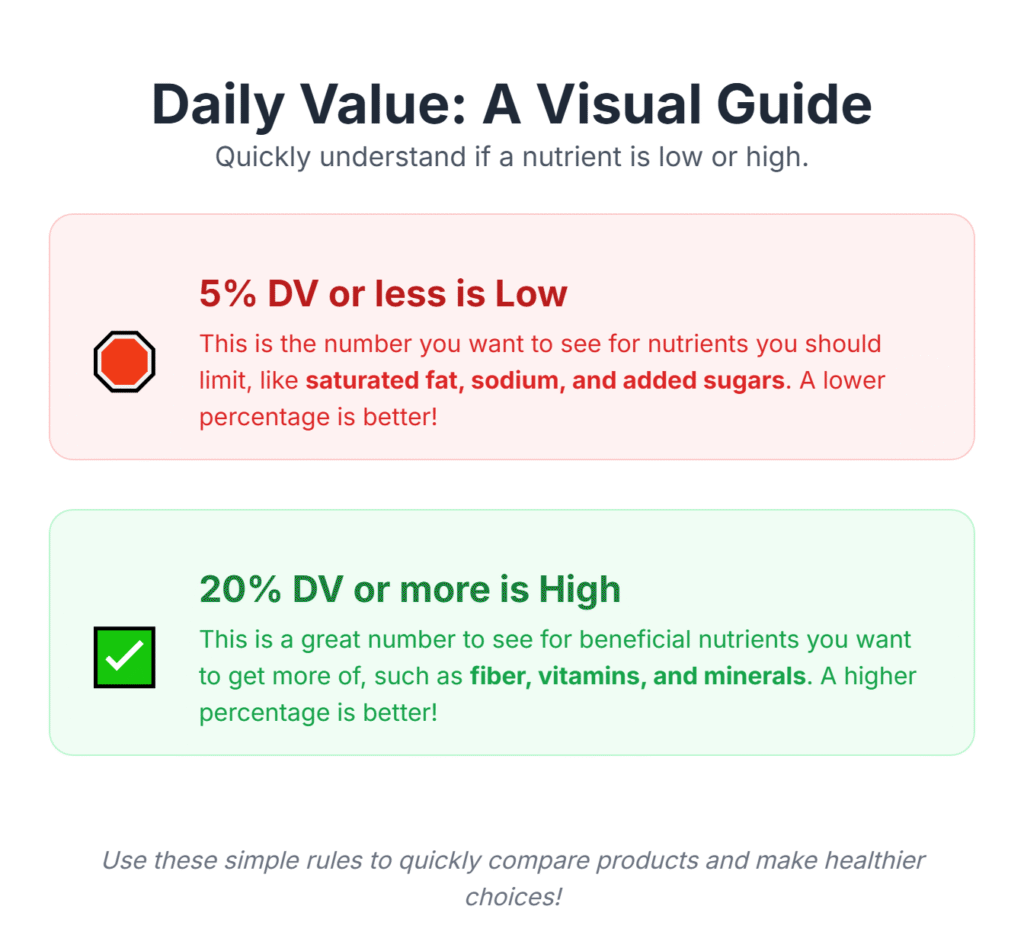
This simple rule is a powerful tool for a quick evaluation of any packaged food. For example, when comparing two different types of soup, you might see that one has a 37% DV of sodium while the other has only 12%. By using the 20% rule, you can immediately identify the first soup as a high-sodium choice. Similarly, if you are looking to boost your fiber intake, you can seek out foods with a %DV of 20% or more for this nutrient.
A Closer Look at Key Nutrients and Their Daily Values
Understanding the %DV for specific nutrients can help you prioritize your health goals. Here are some of the most critical ones to look for on any food label.
Sodium
Many packaged and processed foods are notoriously high in sodium. The Daily Value for sodium is 2,300 milligrams. A food with a high %DV for sodium can quickly push you over your daily limit, increasing the risk of high blood pressure and other cardiovascular issues. Always aim for foods with a low %DV for sodium.
Fact: According to the Centers for Disease Control and Prevention (CDC), the average American consumes about 3,400 milligrams of sodium per day, which is well above the recommended 2,300-milligram limit for most adults.
Saturated Fat
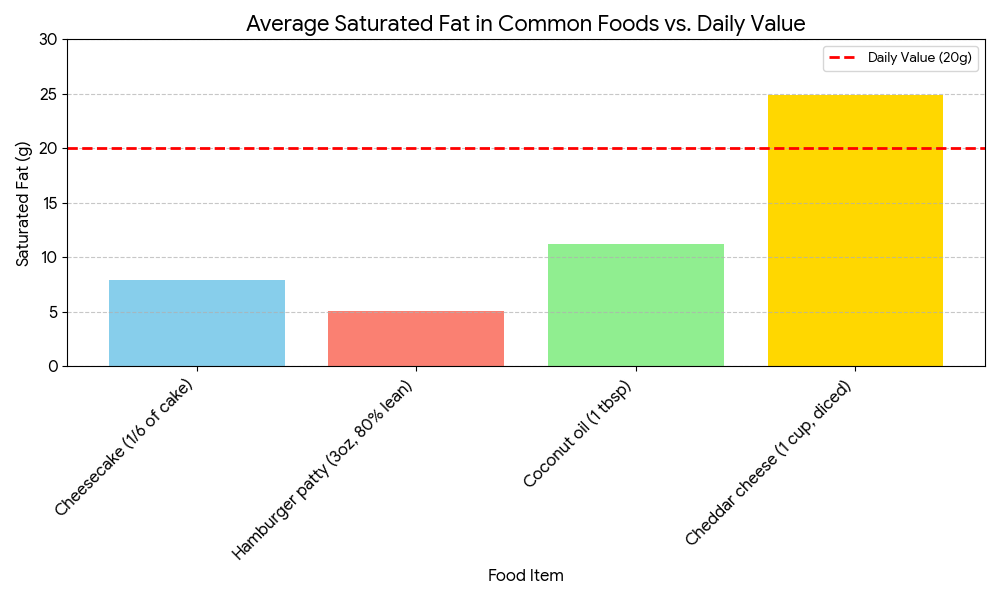
This type of fat can raise your cholesterol levels, increasing your risk of heart disease. The Daily Value for saturated fat is 20 grams. The goal is to keep your intake of saturated fat low. Be mindful of the %DV on food labels and choose alternatives with lower percentages.
Added Sugars
Added sugars are now listed separately on the Nutrition Facts label. This is a game-changer for people trying to manage their sugar intake. The Daily Value for added sugars is 50 grams. A high %DV for added sugars indicates that the product is a poor choice for daily consumption and should be limited.
Fact: The American Heart Association suggests a stricter limit, recommending that most women consume no more than 25 grams of added sugar per day and most men no more than 36 grams.
Fiber
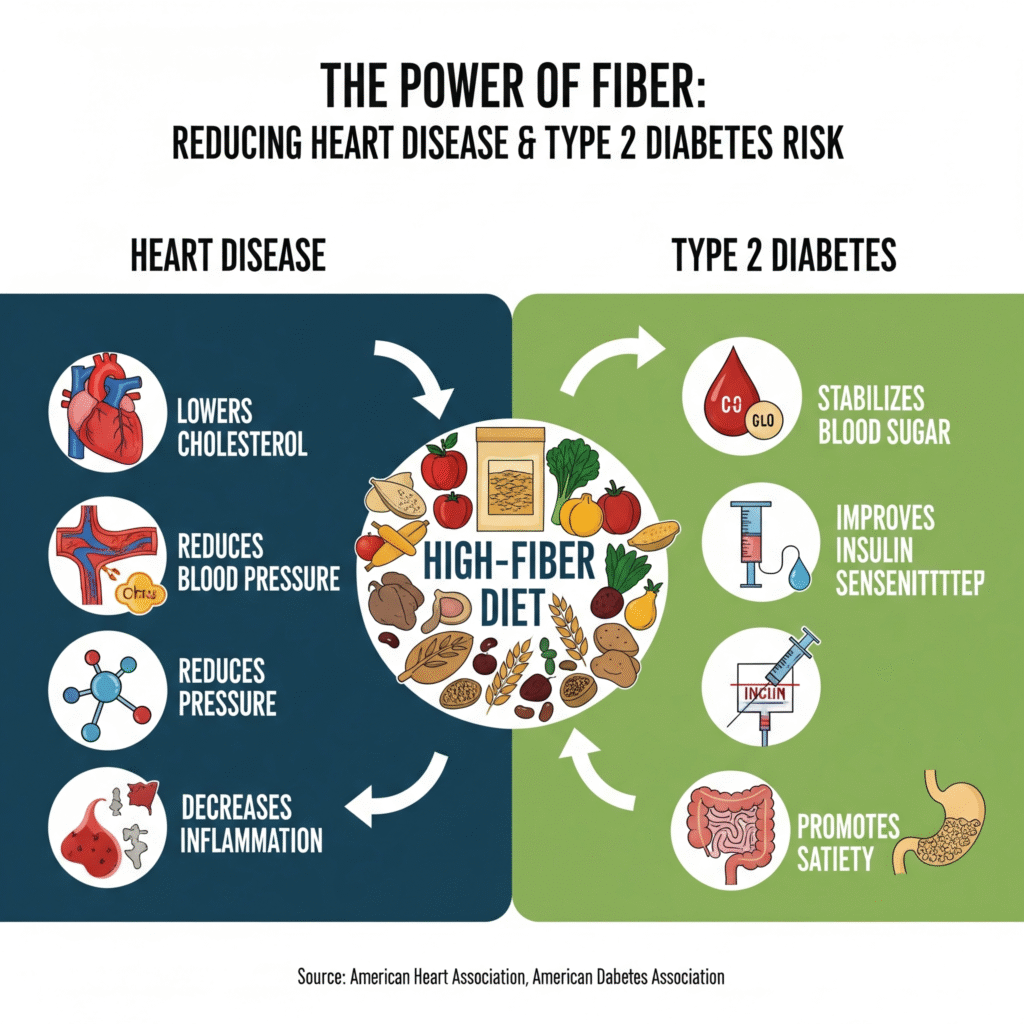
Dietary fiber is essential for digestive health and can help you feel full, which aids in weight management. The Daily Value for fiber is 28 grams. You should look for foods with a high %DV for fiber, such as whole grains, legumes, and certain packaged cereals.
Putting It All Together: A Smart Shopping Strategy
Now that you understand the mechanics of the Daily Value, it’s time to put that knowledge into action. Use the %DV as a tool for quick comparisons. When you’re in the grocery store, don’t just pick up the first option that looks good. Take a moment to look at the labels of a few different brands of the same product. Compare their %DV for sodium, saturated fat, and added sugars. Choose the one with lower percentages for these nutrients.
Similarly, look for foods that have higher percentages of vitamins, minerals, and fiber. This proactive approach to grocery shopping will transform your diet, empowering you to make choices based on solid nutritional information rather than just clever marketing. Stay healthy and informed with HealthyfyNow!
Citations
- U.S. Food and Drug Administration. “How to Understand and Use the Nutrition Facts Label.”
- Centers for Disease Control and Prevention. “About Sodium and Health.”
- U.S. Department of Agriculture (USDA) FoodData Central. “Saturated Fat.”
- American Heart Association. “How Much Sugar Is Too Much?”
- Reynolds, A., et al. “Carbohydrate quality and human health: a series of systematic reviews and meta-analyses.” The Lancet, 2019, 393(10170), 434-445.